
Littler’s 2026 clean-sweep probability is now 0%—including ranking majors
Clayton ended Littler’s full 2026 major sweep; Woodhouse ended the ranking-major version. Why the probability is now 0%, not a forecast.
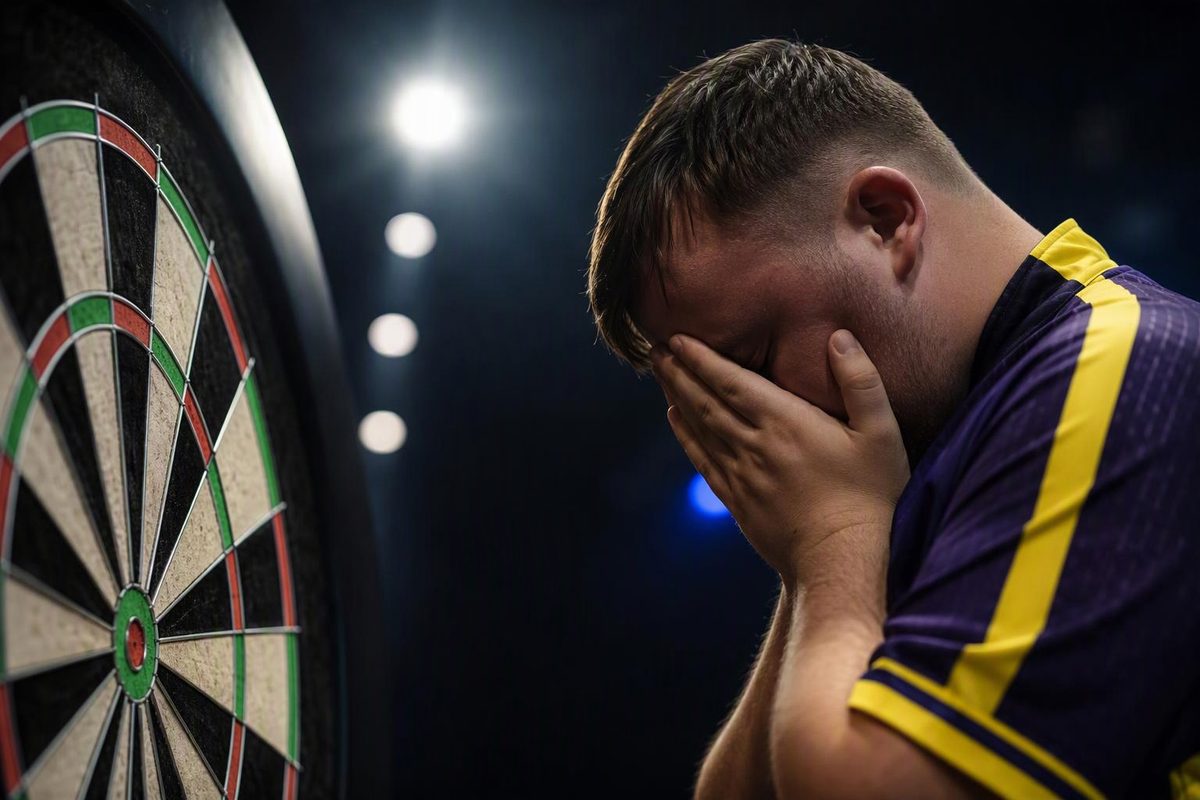
As of 4 October 2026, Luke Littler’s probability of completing a 2026 major clean sweep is 0%—whether you mean the full group of premier titles discussed below or only the ranking majors. These are settled outcomes, not modelled forecasts:
- The full sweep ended on 20 September: Jonny Clayton beat Littler 10–4 in the World Series of Darts Finals quarter-finals. Sky Sports’ report confirmed that this ended his bid to win every major that year.
- The ranking-major sweep ended on 28 September: Luke Woodhouse beat Littler 2–1 in sets in the World Grand Prix first round, ending his defence of that title. PA’s match report records the result; the PDC also confirms that Woodhouse ended Littler’s ranking-title sweep.
The distinction matters because September reports correctly said a ranking-major sweep remained possible after the Clayton defeat. That was true then, but it is no longer true.
What counted as a clean sweep?
Here, a clean sweep means winning every title in the specified group during the season—not merely winning every major entered.
Before Amsterdam, Littler had won the first six premier events of 2026: the World Championship, World Masters, UK Open, Premier League, World Cup of Darts and World Matchplay. The five further titles in that sweep were the World Series Finals, World Grand Prix, European Championship, Grand Slam and Players Championship Finals. Sky Sports lists the titles and distinguishes their ranking status.
The narrower ranking-major sweep excludes the Premier League, World Cup and World Series Finals, which are non-ranking events. It does not mean winning every ranking tournament on the ProTour.
After Amsterdam, Littler still needed the four autumn ranking majors. Qualification was also a hurdle: on 20 September, Sky reported him 125th in the Players Championship standings, £16,750 behind the final qualifying place, with only the top 64 advancing to the Finals. Those are historical figures, not his current position. His subsequent Grand Prix defeat made the clean sweep impossible regardless of qualification.
How a sweep probability would have been calculated
A sweep probability is the chance of winning all required events. It is not the chance of winning the next one, nor the percentage of titles already won.
For a worked example, suppose a player had a 50% chance of winning each of four remaining tournaments, and those outcomes were independent:
0.50 × 0.50 × 0.50 × 0.50 = 0.0625, or 6.25%.
That is an illustration, not an estimate for Littler. A defensible forecast would need event-specific chances, qualification assumptions and a treatment of shared factors such as form. Six wins from six completed events did not make future titles certain.
What Littler’s doubles figures actually tell us
Checkout percentage measures successful finishing doubles divided by darts attempted at finishing doubles. For example, with 40 remaining, missing twice outside double 20 and then hitting it gives one successful double from three attempts: 33.3%.
Sporting News reported these returns across Littler’s three World Series Finals matches:
| Opponent | Littler’s result | Successful doubles / attempts | Checkout percentage |
|---|---|---|---|
| Danny Noppert | Won 6–4 | 6/20 | 30.0% |
| Nathan Aspinall | Won 10–9 | 10/32 | 31.3% |
| Jonny Clayton | Lost 4–10 | 4/21 | 19.0% |
| Combined | Three matches | 20/73 | 27.4% |
The combined rate is 20 ÷ 73 × 100, not a simple mean of the three percentages. It describes his finishing in that tournament; it is neither a match-win probability nor a clean-sweep probability. Indeed, Littler won two of those matches despite the low conversion rates.
For interpreting that separation, see our guide to first-nine average versus checkout percentage. Scoring and finishing help explain performance; neither, alone, supplies the odds of winning a season’s worth of titles.